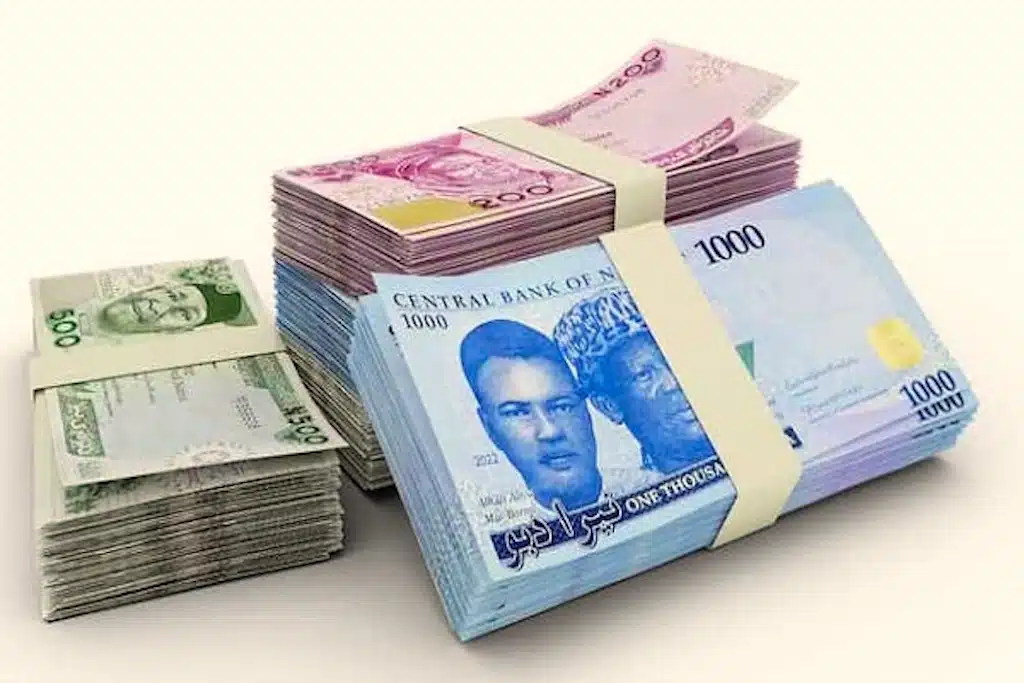
The Dollar to Naira exchange rate in the black market remains under pressure as forex demand continues to outweigh supply.
As of today, Thursday, August 21st, 2025, the naira is trading at ₦1,540 per $1 for buying and ₦1,550 per $1 for selling, according to News About Nigeria and verified forex trackers.
How Much is Dollar to Naira Today in Black Market?
As of Thursday, August 21st, 2025, the black market exchange rates are as follows:
| Dollars to Naira |
Exchange Rate Today |
| Buying Rate |
₦1,540 |
| Selling Rate |
₦1,550 |
(Source: News About Nigeria, Aboki Forex)
Black Market vs. Official CBN Rate
The black market rate continues to trade significantly higher than the official exchange rate published by the Central Bank of Nigeria (CBN). While the official rate is meant to stabilize the market, limited dollar supply has pushed many Nigerians to depend on the parallel market, where the Dollar to Naira rate remains volatile.
Key Drivers of the Dollar to Naira Exchange Rate
-
Persistent Forex Demand: Importers, international students, and travelers continue to drive demand.
-
Limited CBN Intervention: Declining oil revenues reduce Nigeria’s foreign reserves.
-
Speculative Activities: Market uncertainty fuels hoarding and speculation.
-
Economic Pressures: Inflation and rising living costs increase reliance on the dollar as a store of value.
Impact on Nigerians and Businesses
-
Import Costs: Businesses importing raw materials and finished goods face higher costs, driving inflation.
-
Education & Travel: Families paying school fees abroad or buying tickets encounter higher forex bills.
-
Local Economy: The persistent gap between official and black market rates weakens investor confidence.
Outlook for the Naira
Analysts believe that addressing the naira’s persistent depreciation will require stronger policy actions, improved forex inflows, and structural reforms. Boosting exports, encouraging diaspora remittances, and creating investor-friendly policies are vital steps to reducing reliance on the black market.
Disclaimer: Black market rates are unofficial and may vary across different locations. For accurate official rates, always refer to the Central Bank of Nigeria (CBN).